
Mason LIFE
Your College Experience Starts at George Mason University's College of Education and Human Development (CEHD).
The Mason LIFE program is your pathway to a full university experience at George Mason. For over 20 years, Mason LIFE has provided a four-year program for students with intellectual and developmental disabilities who want to go to college and earn a certificate of completion (non-degree). Mason LIFE is unique in that applicants can be considered for several scholarships for students enrolling in our program.
We give you the support you need to succeed. You'll take classes among all seven colleges on campus, gain valuable job skills through internships (both on and off campus) and (if you choose) live independently on campus with support. You'll be fully immersed as a true George Mason Patriot. With over 700 clubs and Division I Athletics, and living in the Washington, DC area, we are in the Nation’s Capital’s backyard. We are here to support you in building the life that you envision.
Why Choose George Mason CEHD
We are a Comprehensive Transition Program (CTP) that allows students to apply for Federal Financial Aid.
Four key components. Academics, Employment, Housing, and Community Involvement are integrated throughout your four years as a Patriot.
A complete college experience. Attend classes, get involved in organizations, clubs, events, internships, and have an opportunity to live on campus.
Supportive learning environment. We support you as you explore your interests by taking a wide range of university courses in all seven colleges that serve undergraduate students. Students can be supported in the classroom as needed.
Career preparation. Our Employment Component focuses on helping students develop professional communication skills, support executive functioning, and learn work-related tasks. Our students are placed in on- and off-campus positions that provide meaningful learning experiences based on their individual interests.
Increased independence. Practice life skills such as budgeting, cooking, using public transportation, and effective interpersonal communication in a supportive setting that encourages responsibility and confidence.
What Sets Us Apart?
Comprehensive concentration and minor across the Colleges. Earn a five-course concentration and potential minor through CEHD and six other Colleges designed to strengthen your learning, leadership, and independence.
Proximity to Washington DC. Take advantage of all that the Northern Virginia region has to offer, with the Nation’s Capital and surrounding areas, rich in history and opportunities.
Hands-on learning. Participate in internships, service projects, and campus activities that connect what you learn in class to real-world experiences.
Inclusive university access. Take exploration courses alongside George Mason students, modified to fit your needs, taught by George Mason faculty, in subjects that interest you. Mason LIFE students work towards a non-credit-bearing certificate.
Recognition of achievement. Graduate with a Certificate of Completion from Mason LIFE and your comprehensive concentration, marking your growth as an emerging professional. Our alumni are successfully employed, with 85% currently working, 75% independently navigating the workplace, and 47% using public transportation to commute to work.
Your Path Starts Here
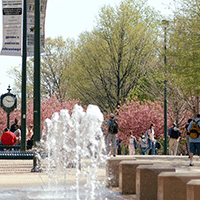
At Mason LIFE with CEHD, you'll experience a vibrant and diverse campus. We support you in developing autonomy and guide you through experiencing all that our campus has to offer. Through the combination of an academic concentration, rich and dynamic internships, and busy campus life, you will thrive as a George Mason Patriot.
Program Staff
-
 Linn Jorgenson
Director
Linn Jorgenson
Director
EdD -
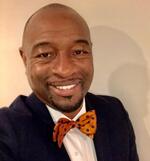 Permon Mitchell
Assistant Director
Permon Mitchell
Assistant Director
MA, South Carolina State University -
 Alexandra Reed
Academic Coordinator
Alexandra Reed
Academic Coordinator
PhD -
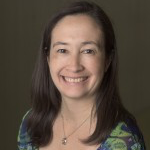 Stephanie Atkins
Office Manager
Stephanie Atkins
Office Manager
MA, George Mason University